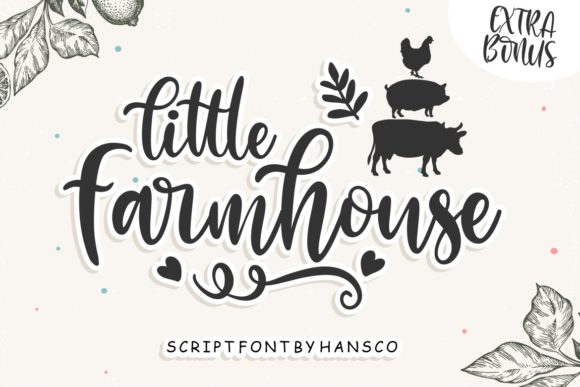
Little Farmhouse Font: A Sweet Typeface for Makers
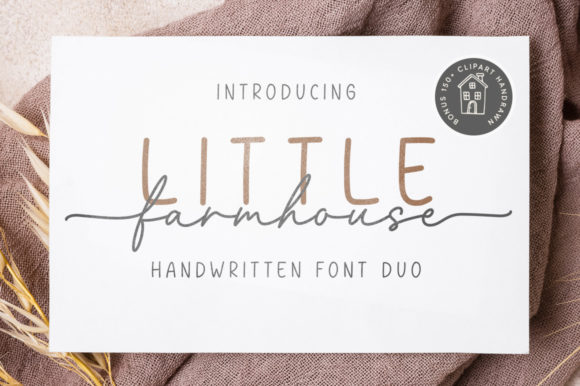
The morning light hits my workbench just right as I open my design software, ready to tackle the batch of soy candle labels due for shipping next week. For months, I struggled to find a typeface that captured the exact mood of my brand—rustic yet refined, personal but professional. Then I discovered Little Farmhouse Font. As soon as I typed out "Lavender & Linen," the letters seemed to dance across the screen with a dainty, joyful energy that felt instantly authentic. This isn't just another digital asset; it is a tool that transforms simple text into a heartfelt message, perfect for anyone who creates with their hands.
Bringing Warmth to Handmade Labels and Packaging
In the world of handmade goods, packaging is often the first physical touchpoint a customer has with your brand. Using Little Farmhouse Font on product labels adds an immediate layer of perceived quality and care. Because this script font mimics natural handwriting, it bridges the gap between mass production and artisanal craft. When I apply it to my candle jars, the delicate strokes suggest that a real person poured the wax and chose the scent, rather than a machine in a factory.
This font shines particularly bright on small-scale applications like boutique tags and sticker sheets. Its legibility remains strong even at smaller sizes, provided you give the letters enough breathing room. For my seasonal soap bars, I use the font to write the scent names, pairing it with a clean, minimal sans serif font for the ingredient lists. This contrast ensures that the decorative element stands out while the essential information remains easy to read. It is a practical approach to packaging design that balances aesthetic appeal with functionality.
Elevating Wedding Stationery and Invitations
Beyond physical products, Little Farmhouse Font has become a staple in my digital shop for printable wedding invitations. Couples today are looking for stationery that feels personalized and romantic without being overly formal or stiff. This typeface delivers that sweet, delicate vibe perfectly. Whether it is for save-the-dates, menu cards, or welcome signs, the font’s organic flow creates a sense of intimacy.
When designing these templates, I focus on how the letters connect. The ligatures and swashes included in many premium script fonts can add flair, but with Little Farmhouse, the charm lies in its simplicity. It works beautifully for short phrases like "Together Forever" or individual names. However, for longer blocks of text, such as the details of the ceremony, I always recommend pairing it with a readable serif font. This combination maintains the romantic atmosphere while ensuring guests can easily find the time and location. It is a key principle in editorial design that applies heavily to invitation suites.
Versatility Across Creative Projects
One of the most rewarding aspects of adding Little Farmhouse Font to my toolkit is its versatility. It is not limited to paper goods. I have experimented with using it for heat-transfer vinyl designs on tote bags and linen tea towels. The boldness of the strokes holds up well when cut, making it a reliable choice for Cricut and Silhouette users. Similarly, it looks charming on ceramic mugs, where the handwritten style complements the cozy nature of the product.
For digital creators, this font is a gem for social media graphics and blog headers. It adds a consistent voice to brand identity across platforms. When I create promotional images for my Etsy shop, using Little Farmhouse for headlines creates a cohesive look that customers begin to recognize. It signals warmth and approachability, which are crucial for engaging with an audience that values handmade quality. Whether you are designing planner pages, printable wall art, or holiday gift tags, this font adapts seamlessly to the medium.
Practical Tips for Readability and Pairing
While Little Farmhouse Font is undeniably charming, using it effectively requires a keen eye for spacing and hierarchy. As a display font, it is best suited for titles, names, and short decorative wording. Avoid using it for long paragraphs or fine print, as the delicate nature of the handwritten style can become difficult to read at very small sizes or when printed on textured paper.
Font pairing is another critical consideration. To let Little Farmhouse shine, pair it with neutral companions. A geometric sans serif provides a modern counterpoint, while a classic serif adds a touch of tradition. Avoid pairing it with other busy script fonts, as this can create visual clutter. Instead, let the script be the star and use simpler typefaces for support. This strategy enhances modern typography principles by ensuring clarity and visual balance.
Licensing and Technical Considerations for Sellers
Before launching any new product line featuring Little Farmhouse Font, it is essential to review the licensing terms. As a commercial font, it typically allows for use in physical products and digital designs, but restrictions may apply to certain types of web embedding or large-scale merchandise. Always check the specific license included with your purchase from the Script Amp collection or other reputable font marketplaces.
Additionally, consider the file formats available. Having access to OTF and TTF files ensures compatibility with most design software, while webfont formats are necessary for online stores. If you are creating SVG-style designs for cutting machines, ensure that the font converts cleanly without losing its delicate curves. Testing your designs on actual materials—whether it is a sticker sheet, a cotton tote, or high-quality cardstock—is the only way to guarantee the final result meets your standards.
Incorporating Little Farmhouse Font into your creative workflow is more than just choosing a pretty typeface. It is about selecting a voice that resonates with your audience. From the first sketch of a logo design to the final print of a wedding invitation, this font offers a blend of joy and professionalism that elevates every project. For makers, sellers, and designers who value authenticity, it is a resource that pays dividends in customer connection and brand loyalty.